
TL;DR: After a refinery or chemical plant explosion, follow emergency instructions, get appropriate medical help, and document the incident safely. The first 90 minutes are a practical planning framework, not a universal legal deadline. Available claims depend on your employment arrangement, coverage, and the cause of the accident.
Watch: Texas Refinery Explosion — 3 Immediate Steps
Watch Dugas Law Firm’s video on safety, medical care, and preserving records after a refinery explosion. Watch on YouTube.
- A documented Southeast Texas example
- Priority 1: Safety and medical care
- Priority 2: Accurate documentation
- Priority 3: Safe evidence preservation
- Workers’ compensation and other claims
- Dugas Law’s published approach
- Frequently asked questions
- Contact Dugas Law Firm
A Documented Southeast Texas Example
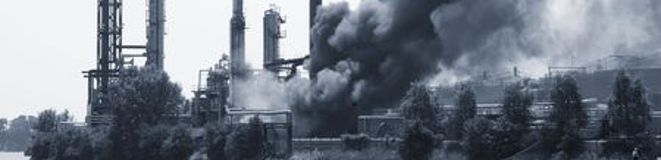
On November 27, 2019, an explosion occurred at the TPC Group chemical plant in Port Neches. The U.S. Chemical Safety Board later reported that ruptured piping released flammable butadiene, which ignited. Two employees and a security contractor were injured. Its investigation examined equipment conditions, hazardous material buildup, and safety-management issues. [6] This was a chemical-plant incident, not a refinery incident. It is included as a documented regional example, not as a claim that Dugas Law represented anyone involved. For an injured worker, the immediate priorities are personal safety and medical care. Investigating the cause comes afterward.Priority 1: Safety and Medical Care
What should you do immediately after an explosion?
Follow emergency responders’ instructions. Do not reenter a hazardous area to collect belongings, photograph equipment, or retrieve paperwork. For a chemical emergency, CDC guidance emphasizes getting away from the release, removing chemicals from the body, and obtaining help. Authorities may direct people to evacuate or shelter in place, depending on the circumstances. [7]What should you tell medical providers?
Explain what happened and share information you know about:- The work area and task.
- Possible chemicals or smoke.
- Blast exposure.
- Symptoms you are experiencing.
- Any first aid or decontamination already provided.
Should you keep potentially contaminated clothing?
Do not prioritize evidence collection over decontamination. CDC provides specific instructions for removing and containing contaminated clothing and avoiding further exposure. Follow responders’ directions about handling or disposing of affected items. Tell your attorney what happened to those items rather than attempting unsafe retrieval or storage. [8]Priority 2: Accurate Documentation
What should you write down after an industrial accident?
Once you are safe and able, make a factual record of the incident. Include:- The date, time, and facility.
- Your employer’s legal name.
- The unit or work area.
- The task you were performing.
- People who witnessed the event.
- Instructions you received.
- Medical care you obtained.
What if someone asks for a statement or signature?
Ask what the document is, who is requesting it, and what it will be used for. Request a copy. Do not guess about the cause of the explosion, another person’s actions, or the extent of your injuries. If you do not understand a release or other document, ask an attorney to review it. Legal guidance should account for applicable reporting requirements rather than rely on a blanket instruction to refuse every workplace report.Priority 3: Safe Evidence Preservation
What evidence may be useful?
Organize materials you can lawfully retain, such as:- Photographs taken from a safe location.
- Medical paperwork.
- Employer and contractor information.
- Incident-report copies.
- Relevant messages.
- Work schedules.
- Witness contact details.
- Receipts and other records related to the injury.
What about facility records or company equipment?
Do not remove company property, enter restricted systems, or return to an unsafe area to collect evidence. Instead, identify the records or items you believe may exist and discuss them with an attorney. Note who collected personal equipment and any instructions you received about it. Our industrial and refinery accident page describes the firm’s work investigating these incidents and documenting evidence. [9]Workers’ Compensation and Other Claims
Does every Texas refinery worker have workers’ compensation?
No. The Texas Department of Insurance states that workers’ compensation coverage is optional for most private employers. Coverage must be checked for the actual employer and relevant date. Do not assume that a facility’s name or a contractor badge establishes which policy applies. [10]Can an injured worker also have a third-party claim?
Potentially. Texas Labor Code §417.001 allows an employee or legal beneficiary to pursue damages from a liable third party while also pursuing workers’ compensation benefits for a compensable injury. The statute also addresses the insurance carrier’s reimbursement rights. Receiving compensation benefits and pursuing another claim does not mean every recovery is separate or free of reimbursement obligations. [11] The investigation must identify who was involved, what each party did, and how that conduct relates to the injury. Another company’s presence at a facility does not automatically establish responsibility.Dugas Law’s Published Approach
Our website identifies chemical exposure, burn injuries, refinery explosions, and pressurized chemical incidents among its industrial practice areas. The firm also explains that a defective product or negligence by someone other than the worker’s employer may support a personal injury claim, depending on the facts. Its chemical plant accident resources provide related information. [9] These published service descriptions support discussing the firm’s practice. They do not establish a particular refinery verdict or client outcome, and no such outcome is attributed to the firm here.Frequently Asked Questions
Do the first 90 minutes determine my compensation?
The first 90 minutes do not automatically determine your compensation. This framework organizes immediate priorities; it is not a legal filing deadline or a guarantee about a claim.Should I photograph everything after an explosion?
Photograph only what you can safely and lawfully document. Follow emergency instructions and leave hazardous areas and contaminated items to trained responders.Is workers’ compensation my only possible option?
Workers’ compensation may not be your only possible option. Coverage, employment relationships, and evidence of another party’s responsibility require individual review.What should I bring to a consultation?
Bring available medical records, incident information, photographs, employer details, insurance correspondence, and documents you have been asked to sign.Contact Dugas Law Firm
If you were injured in a refinery or chemical plant accident in Southeast Texas, contact us at Dugas Law Firm to discuss the incident and your potential next steps. Request a Free Refinery Accident Consultation Call (409) 509-7203. Dugas Law Firm 350 Pine St, Suite 1750 Beaumont, TX 77701 This article provides general information and is not legal advice.Sources
- CSB — Final TPC Port Neches Investigation
- CDC — What to Do in a Chemical Emergency
- CDC — Getting Chemicals Off Your Body
- Dugas Law — Industrial & Refinery Accidents
- Texas Department of Insurance — Employer Coverage
- Texas Labor Code, Chapter 417 — Third-Party Liability
- Dugas Law — Contact Information and Free Consultation