
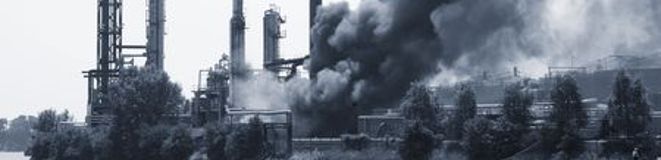
TL;DR: After a refinery or chemical plant accident, get appropriate medical care, document any chemical exposure, preserve PPE and work records, and avoid assuming workers’ compensation is your only possible path. Texas work-injury cases can involve an employer, contractor, equipment company, or other third party depending on the facts.
Table of Contents
- Get Medical Care
- Document Chemical Exposure
- Preserve PPE and Evidence
- Workers’ Compensation in Texas
- Refinery Accident FAQs
What Should You Do After a Refinery Explosion in Texas?
Refinery and industrial accidents can involve burns, blast injuries, falls, respiratory problems, toxic exposure, and equipment failures. The first priority is personal safety and emergency medical care.
1. Get Appropriate Medical Evaluation
If you were injured or exposed to a hazardous substance, tell medical providers what happened and identify any known chemical, smoke, or blast exposure. Symptoms from some exposures can evolve after the initial incident.
Do not rely only on how you feel immediately
Shock and adrenaline can make it difficult to judge the seriousness of an injury at the scene.
2. Document Possible Chemical Exposure
Write down the location, date, time, unit or work area, known chemicals, symptoms, and names of witnesses. Keep copies of medical paperwork and incident reports that you are lawfully allowed to retain.
3. Preserve PPE and Work-Related Evidence
Potential evidence may include PPE, badges, contractor paperwork, shift logs, photographs, texts, safety notices, and information about the equipment involved. Do not enter an unsafe area to collect evidence, and do not alter company property.
Photograph what you can safely document
Photos of visible injuries, damaged personal equipment, clothing, and the safe portions of the scene may help preserve details that change quickly.
Is a Texas Refinery Accident Only a Workers’ Compensation Case?
Not always. Texas does not require most private employers to carry workers’ compensation insurance. If coverage exists, workers’ compensation may provide medical and income benefits. Depending on how an accident happened, separate legal questions may also involve contractors, maintenance companies, equipment manufacturers, property owners, or other parties. Chemical releases and explosions can also raise issues discussed on the firm’s chemical plant accidents page.
A Safe Checklist for the First 90 Minutes
The first 90 minutes describe immediate priorities, not a legal filing deadline. Follow emergency personnel and the site’s evacuation instructions. Leave evidence collection until you are in a safe location; photographs and paperwork should never take priority over avoiding another exposure.
Once you are safely away from the incident
Record the facility name, work area, shift, and task you were performing. Note who directed the work and which contractor employed you. Distinguishing the facility operator from your employer can help organize later questions about insurance and responsibility without assuming either company caused the accident.
Keep an accurate incident record
Write down what you saw, heard, and experienced. Identify information you learned afterward as secondhand. Keep the names of witnesses and emergency responders if available. Save photographs already taken safely.
Handle equipment and clothing carefully
Tell responders about potentially contaminated clothing or PPE and follow their instructions. Do not carry suspected hazardous material into your car or home to preserve it. Record what happened to personal equipment, including who collected it, instead of attempting unsafe storage or retrieval.
Prepare questions about coverage
Ask for the employer’s legal name and information about applicable injury coverage. Keep copies of forms you receive and record the date you reported the incident. An attorney can evaluate the facts, identify documents to request, and explain possible next steps. A facility incident report alone does not answer every question about benefits or potential claims.
Refinery Accident FAQs
Should I go to a hospital after chemical exposure?
If you are having symptoms or experienced a significant exposure, seek appropriate medical care and tell the provider what substance may have been involved.
Is workers’ compensation mandatory in Texas?
No. The Texas Department of Insurance states that most private employers can choose whether to carry workers’ compensation coverage.
What evidence should I preserve after an industrial accident?
Preserve medical records, photographs, lawful copies of work documents, witness information, and relevant personal protective equipment when appropriate.
Talk With a Texas Refinery Accident Lawyer
If you were seriously injured in a refinery, chemical plant, or industrial accident in Beaumont, Port Arthur, Orange, or Southeast Texas, contact Dugas Law Firm.
Contact Dugas Law About Your Refinery Injury
Dugas Law Firm
350 Pine St, Suite 1750
Beaumont, TX 77701
409-509-7203
Source: Texas Department of Insurance. This article provides general information and is not legal advice.